SUMMER SALE NOW LIVE ☀️
SAVE 50% + FREE GIFTS
HRS
:
MIN
:
SEC
The Real Reason You Hit an Afternoon Wall And Why More Sleep Doesn't Fix It

Dr. Sheela Agarwal, MD, MBA
June 2026

Somewhere between lunch and the end of the workday, something happens to most of us.
For some people it's 2pm the screen stops making sense, the second coffee doesn't hit the way it used to, and the 4pm meeting starts to feel like a small mountain. For others it's later that 5pm moment when the workday is technically over, the kids are home, and you're supposed to suddenly become the person who makes dinner and listens to how everyone's day went. And there is genuinely nothing left in the tank.
If you've started Googling some version of "why am I always tired in the afternoon," or "why do I crash so hard at 5pm," you're in a much larger group than you probably realize. Walk into any open-plan office at 2:15, or any kitchen at 5:30, and watch what happens. Half the room is on coffee number three. The other half is staring at their screen, or the stove, the way people stare at hold music.
For years, the standard advice has been the standard advice: sleep more, drink less, exercise. Eat better. Manage your stress. Useful, sometimes. But increasingly inadequate as an explanation for what hundreds of thousands of otherwise-healthy adults are describing in nearly the same words.
In the last several years, a quieter answer has started showing up in the longevity research community one that doesn't require a diagnosis, doesn't require a prescription, and doesn't involve anything more dramatic than understanding what's happening at the cellular level.
Here's what most adults over 40 wish they'd known a decade earlier.
01
The afternoon crash isn't a character flaw. It's a cellular pattern.

“If you've been blaming yourself for the afternoon slump, you've probably been blaming the wrong thing.”
The first thing worth saying out loud: the people describing this experience are not lazy, not undisciplined, and not making it up.
They're attorneys, nurses, teachers, founders, working parents, long-distance runners, and retirees who spent their thirties powering through twelve-hour days without thinking about it. They sleep seven hours. They drink water. They've cut back on the wine. They still hit a wall somewhere in the afternoon.
One commenter in a Reddit thread read by hundreds of thousands of people put it this way: "My energy and focus just aren't the same. They were okay up to age thirty, but lately it's like I'm dragging through every afternoon." Another, on a different forum: "Honestly the brain fog struggle is real. I was dragging by 2pm every day."
Different lives. Different jobs. Different hours of the afternoon. Same pattern. Same words. When unrelated adults start describing the same experience in nearly the same language, researchers call that a signal. Something biological is usually underneath.
The afternoon wall whatever hour yours hits at isn't a personality problem. It's an inventory problem. Your cells are running short.
02
What's actually happening inside your cells in the afternoon
Every cell in your body produces energy using one essential molecule: NAD+ (nicotinamide adenine dinucleotide a mouthful, which is why most people just call it NAD).
NAD+ is the cellular battery. It's the molecule that lets your mitochondria do their job. When NAD+ levels are high, your cells produce energy efficiently. When NAD+ levels drop, your cells start running on the cellular equivalent of a low-battery warning.
Research over the last decade has shown that NAD+ levels begin declining as early as your 30s, and continue dropping steadily through midlife. By 50, the average adult is operating on roughly half the NAD+ they had at 20.

“Every cell in your body runs on a single molecule. Levels of it quietly start dropping after age 30.”
This isn't a fringe idea anymore. It's the same line of research showing up on podcasts like The Drive and Huberman Lab, in longevity books like Lifespan, and in a growing stack of peer-reviewed papers. The science isn't fully settled. But it's substantial and the consensus inside the research community has moved noticeably in the same direction.
03
Why another coffee stops working (and why you already know it)

“Caffeine forces tired cells to work harder. It doesn’t refill what they’re short on.”
If you've been adding coffees to your afternoon and noticing they do less than they used to, you're not imagining that either.
Caffeine doesn't give your cells more energy. It just blocks the receptor that tells your brain you're tired, while pulling harder on whatever cellular fuel you have left. The midday latte that used to carry you to 6pm now wears off two hours in. The 5pm one wrecks your sleep without fixing the wall.
Which is the whole reason the longevity research community started looking past stimulants entirely and toward something different. Precursors. Molecules the body can convert into NAD+ directly.
04
The ingredient longevity researchers have quietly settled on
If you've spent any time reading about NAD+, you've probably run into the alphabet soup: NR, NMN, NAD IV drips, plain niacin, B3, niacinamide. The category is confusing and almost every brand describes their version as the best one.
Here's the part most people miss. Of the NAD+ precursors that have actually been studied in humans, Nicotinamide Riboside (NR) has the longest research history. It's the molecule used in the human clinical trials the longevity podcasts keep referencing. It's the form the research community keeps returning to.
In plain terms: NR is a clinically-studied form of vitamin B3 the body can convert into NAD+. When taken consistently, it helps support healthy NAD+ levels for cellular health.

“Of the precursors studied in humans, one has the longest record.”
05
The real reason most NAD+ supplements quietly fail
If you scroll through the Reddit threads where people compare NAD+ supplements, a strange pattern emerges. Almost nobody complains that the science is wrong. They complain about something much more mundane.
"I've tried a few NAD+ supplements before but didn't really feel much difference."
"I just started two weeks ago and I don't feel anything. I'm sure it's too soon"
"It's not some crazy speedy feeling overnight, but after taking it consistently around two months, I noticed more energy overall a steady 'wow okay, I'm handling tasks easier.'"
Read those three quotes back-to-back and you see the entire problem. NAD+ support is not a stimulant. It does not work in two weeks. It works on a 4-to-8 week timeline of consistent daily use. The people who report real changes are almost always the ones who made it past the two-month mark. The people who report nothing quit before then.
The dirty secret of the NAD+ supplement industry is that most buyers quit before then. Not because the science is wrong, but because they were sold capsules. Six pills a day. A bottle at the back of the cabinet. A premium product that quietly stops getting taken around week three. And the user, three months later, concludes that NAD+ "didn't work" when the truth is, they never finished a bottle.
The reason past NAD+ supplements didn't work isn't the science. It's that you stopped taking them.
06
The first NAD+ supplement designed around the part people actually quit

“The first NAD+ supplement built around whether you take it tomorrow.”
In late 2024, the team at Goli Nutrition the company most people know from their apple cider vinegar gummies started looking at the NAD+ category and noticing the same pattern. Every brand competing on dose. Every brand losing customers around week three.
So Goli built something different. Not a higher-dose capsule. Not a fancier proprietary blend. A gummy.
Goli Renew NAD+ is the first NAD+ supplement built in a daily-ritual format designed around the part of the category nobody had solved: whether you take it tomorrow, and the day after, and the day after that.
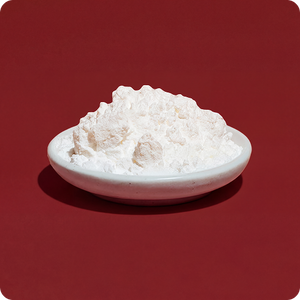
Nicotinamide Riboside
The clinically-studied NAD+ precursor. Helps support healthy NAD+ levels for cellular health.
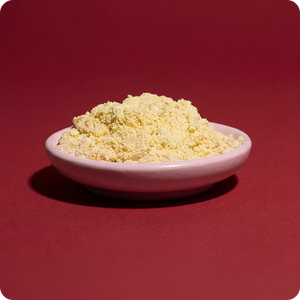
Vitamin B3
Helps the body convert food into available cellular energy and supports nervous system function.
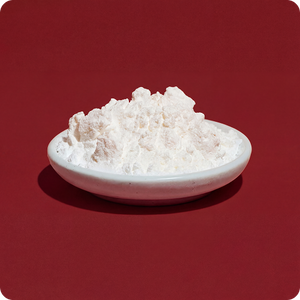
Vitamin C
Helps protect cells from oxidative stress and supports a healthy immune system.
Three ingredients. One gummy. Daily cellular renewal in a format you'll actually stick with.
07
What actually happens when you stay on it
Here's the part it's important to be honest about. Goli Renew NAD+ is not a stimulant. You will not take it on a Monday and feel like a different person on Tuesday. Anyone who promises that is selling you something else.
What customers in the 4-to-8 week window tend to describe sounds a lot like "Compounding"
The changes most people describe aren't dramatic. They're things like the afternoon wall getting a little lower, reaching for one less coffee, workouts feeling less brutal the next morning, closing the laptop at 6pm with something still in the tank. That quiet sense of "oh I think I feel a little more like myself."

What real customers describe
Hedged, honest, the register Maya actually trusts. Results may vary.


08
The comparison that closes the question
Format
Monthly cost
Proprietary blends
Cancel anytime
Daily adherence
Premium NR capsules
Capsule
$50 60
Often
Often hard
Low
Premium NMN capsules
Capsule
$50 60
Often
Often hard
Low
Goli Renew NAD+
Daily gummy
~$19/mo
Never
Yes, plainly
Built for it
The supplement you don't take doesn't work no matter what's in it.
09
Why Goli specifically
A few things worth knowing about the brand. The NAD+ category has earned a healthy amount of consumer skepticism and not everyone selling it deserves the trust they're asking for.
Made in the USA
B-Corp certified
Third-party tested
No proprietary blends
Free from 13 allergens
Vegan, non-GMO
Cancel anytime. We mean it.
No phone tree. No three-month minimum. No fine print. If it doesn't do anything for you, you get your money back. That's the whole policy.
10
What to do with this information
If you've read this far, you already know the afternoon wall is real. You already know the cellular mechanism is real. You already know Nicotinamide Riboside is the legitimate molecule — and that the reason past supplements didn't deliver wasn't the science. It was that you stopped taking them.
The only remaining question is whether the version of the product you'll actually take every day for two months exists yet. The answer, for the first time in the category, is yes.
TRY GOLI RENEW NAD+
Start the routine you'll actually finish
Each bottle is a 15-day supply at the suggested daily serving. The 3-pack runs ~45 days — the window where most people start noticing the first subtle changes.

Cellular Energy Support*
Supports Metabolic Function*
Vitality & Everyday Wellness*
Start with Goli Renew NAD+
100% money-back guarantee
Free shipping over $25
Cancel anytime, no trap
† These statements have not been evaluated by the Food and Drug Administration. This product is not intended to diagnose, treat, cure, or prevent any disease. Individual results may vary.
